
Lack of Communication: The Key Issue with Succession Planning in Northern Ireland Farming
Succession planning remains a critical issue for farm families across Northern Ireland, where communication gaps and delayed decision-making are preventing smooth transitions to the next generation. The most recent research by the Ulster Farmers’ Union (UFU) and the Young Farmers’ Clubs of Ulster (YFCU) highlights the depth of the problem: 48% of farmers have yet to identify a successor for their farms.
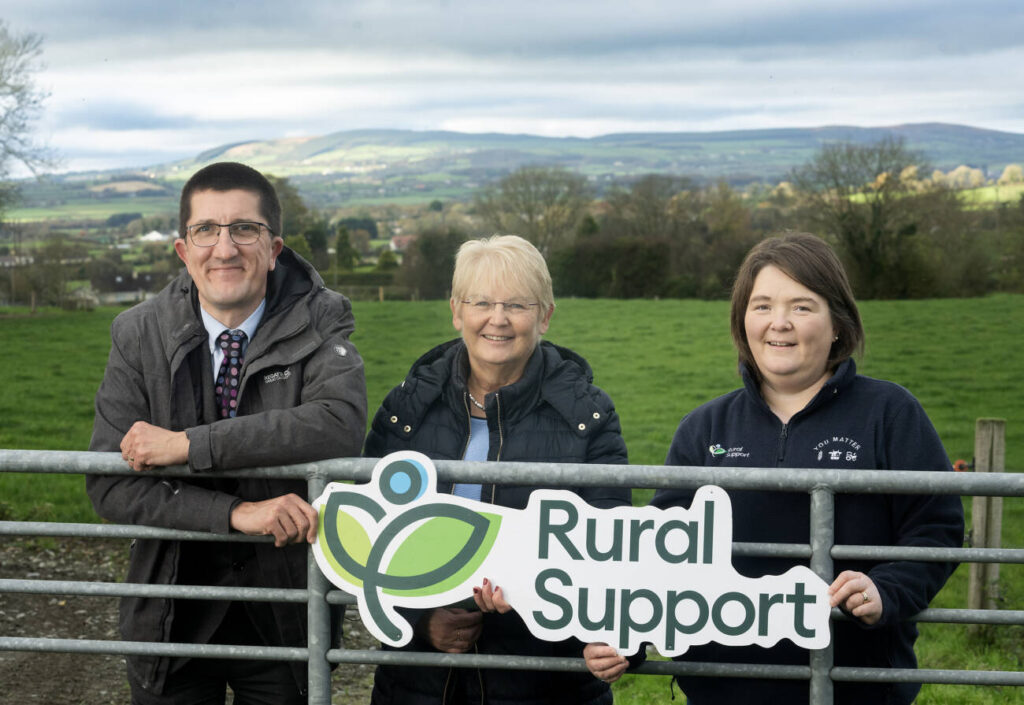
For many families, the aging farming population only increases the pressure to act. But as Rural Support Farm Business Mentor Charlie Kilpatrick points out, the root issue often lies in a reluctance to communicate. “All too often, I meet families who haven’t discussed a succession plan,” he says. “A young family member may come back from Agriculture College eager to take over, but without proper discussions, they can end up as glorified farm workers, losing motivation and drive.”
Parents are often hesitant to fully hand over the reins, preferring to wait and see how their children get on with managing the farm. Mr Kilpatrick explains, “These farms are steeped in family history, so there’s a lot of trepidation around handing over full ownership. Marriage is another sensitive topic, as parents worry that a divorce could result in the farm being divided.”
Despite these challenges, Mr Kilpatrick stresses the importance of proactive planning. “Illness often forces families to address succession, but it shouldn’t be left to chance. Farmers tend to prioritise urgent tasks over important ones, but managing your family’s future is vital, especially with the current burden for future generations with the changes to inheritance tax. Succession planning also provides an opportunity to think about your own future: where your retirement income will come from, whether you might need care, and how to fund it. These are conversations that build clarity and confidence for everyone involved.”
To help address the pressing issue, DAERA has launched the Farming for the Generations scheme, which is funded as part of their Farm Development and Support Programme. This free pilot initiative, delivered by Rural Support, equips farm families with the tools and resources needed for effective generational transitions. The pilot scheme begins with introductory awareness sessions, helping families start conversations about integrating the next generation into the business.
Following the initial awareness sessions, interested farm businesses will have the chance to apply for the programme’s “Planning for Succession” phase. Selected participants will benefit from a tailored approach, including a comprehensive farm business review, development of a Personal Development Plan, and support in drafting a formal succession plan. Successful applicants will also avail of one to one farm business support from a Rural Support Mentor who have a wealth of knowledge and understanding of financial, business and technical support.
Through Rural Support facilitating family discussion, Charlie Kilpatrick has witnessed successful succession planning. He said, “In these cases, the farm business is transferred on a staged basis, usually starting with the working capital of livestock and machinery followed by parcels of land”
Sharon Smyth, who is a Farm Finance Mentor with Rural Support and a former agri business banker, sees the consequences of poor planning firsthand. “Failing to plan can lead to devastating outcomes, including costly legal battles and uncertainty. Issues like not having a Will, an Enduring Power of Attorney, or a clear succession plan leave families vulnerable. The Farming for the Generations initiative is about empowering farmers to secure their family’s legacy. If you haven’t addressed these issues yet, I urge families to consider this programme. It’s an investment in your future and the future of your farm.”
For more information about the Farming for the Generations pilot programme: farmgenerations@ruralsupport.org.uk or 028 8676 0040

